Transparent pricing in digital marketing is reshaping the industry. At SERPslice Inc, we've seen firsthand how this approach builds trust and fosters long-term client relationships.
This guide will walk you through the essentials of implementing a transparent pricing model in your agency. We'll cover everything from understanding the concept to practical steps for execution, helping you stay competitive in today's market.
Transparent pricing in digital marketing involves the clear, accessible, and open communication of costs for goods and services. This approach eliminates hidden fees and surprises, giving clients a clear understanding of their investments. The digital marketing industry has seen a significant shift towards transparency, with marketers prioritizing it when selecting an agency partner.
Transparency allows clients to make informed decisions about their marketing investments. When an agency clearly outlines the costs for SEO services, PPC management, and content creation, clients can better align these expenses with their business goals and expected ROI. This clarity fosters trust and often leads to longer-lasting client relationships.
Agencies that adopt transparent pricing often experience improved client retention rates. E-commerce brands and retailers are building trust with transparent pricing, which can lead to increased customer loyalty. Moreover, transparent pricing can streamline the sales process. When potential clients have access to clear pricing information upfront, they're more likely to be qualified leads, reducing time spent on proposals that don't align with budget expectations.
To implement transparent pricing, agencies should:
While transparent pricing offers numerous benefits, it's not without challenges. Agencies must balance transparency with profitability, ensuring that their pricing structure (while clear) remains competitive. Additionally, agencies must be prepared to justify their rates and demonstrate the value they provide.
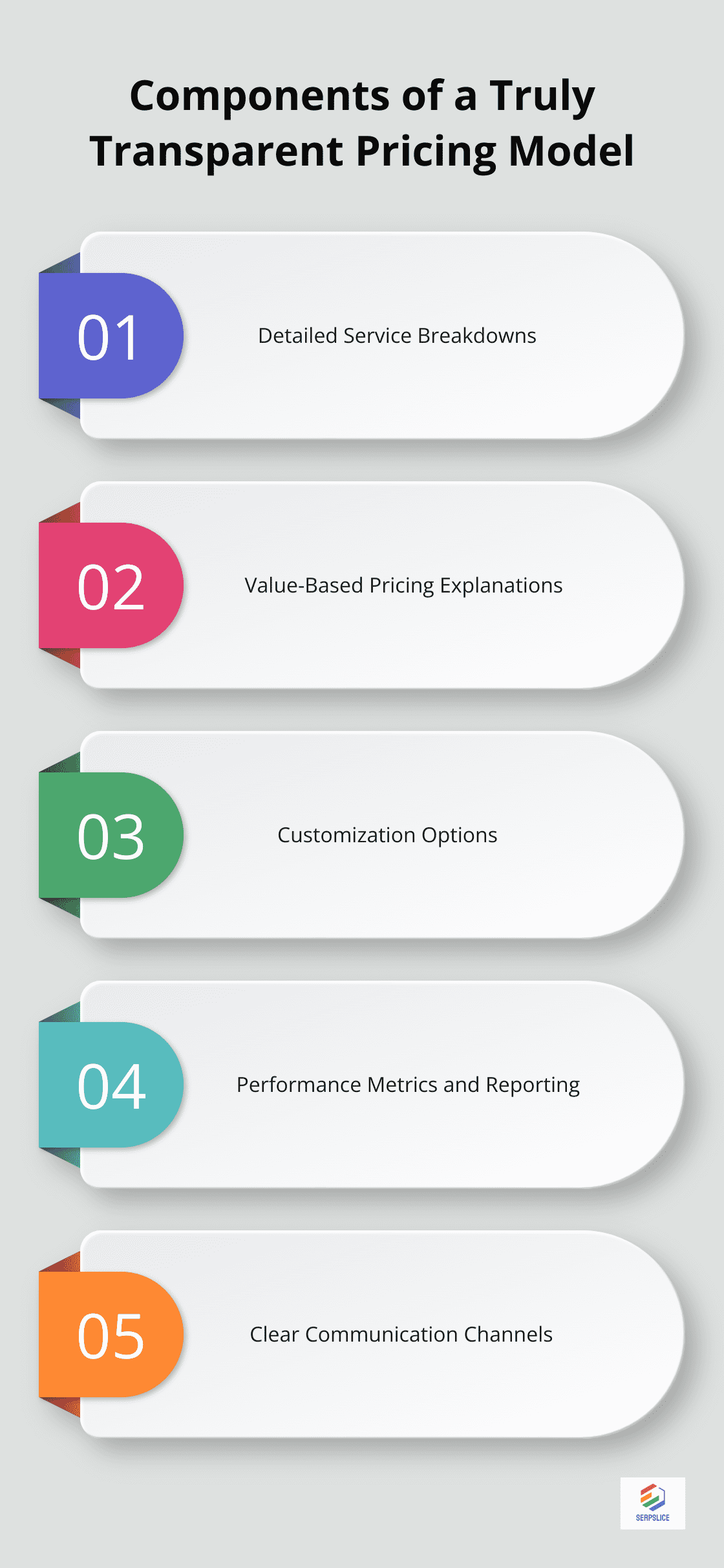
As we move forward, it's essential to understand the key components that make up a truly transparent pricing model in digital marketing. These elements will help agencies create a pricing structure that's both clear and comprehensive, further enhancing trust and client satisfaction.
A transparent pricing model starts with a detailed breakdown of services. This means a clear outline of what each service includes, the time and resources involved, and the expected outcomes. For example, when pricing SEO services, agencies should specify the number of keywords targeted, the frequency of content creation, and the types of technical optimizations included.
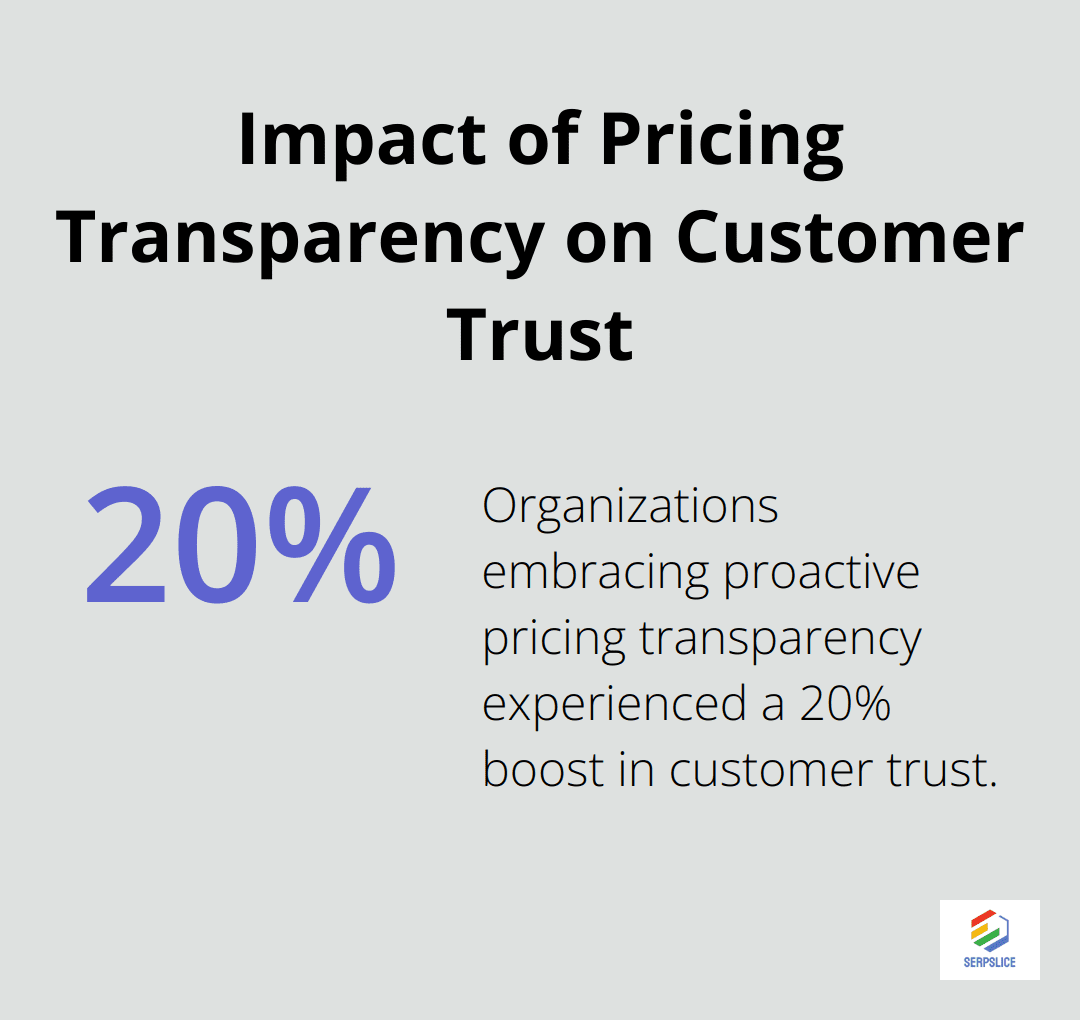
Listing prices isn't enough; agencies must explain the rationale behind their pricing structure. This includes details about the expertise involved, the technology used, and the potential return on investment. A study highlighted in the Harvard Business Review revealed that organizations embracing proactive pricing transparency experienced a 20% boost in customer trust.
No two businesses are identical, so pricing models should reflect this reality. Transparent pricing includes clear information on how costs may change based on specific client needs. Agencies should provide a base price for their services and then outline potential add-ons or scalable options. This approach allows clients to understand how their choices impact the final cost.
Transparency extends beyond the initial pricing to ongoing performance reporting. A truly transparent model includes regular updates on key performance indicators (KPIs) tied directly to the services provided. For instance, Google Ads clients should receive weekly reports detailing metrics like click-through rates, conversion rates, and return on ad spend. This level of reporting ensures clients can see the direct impact of their investment. Strategies for elevating your reporting game can help win clients over.
A transparent pricing model also includes clear channels for communication about pricing and services. This might involve dedicated account managers, regular check-ins, or a client portal where pricing information and service details are easily accessible. Open lines of communication (both proactive and reactive) help maintain transparency throughout the client relationship.
The implementation of these components in a pricing model not only builds trust but also educates clients on the value of digital marketing services. As we move forward, it's important to consider how agencies can effectively implement these transparent pricing practices in their own operations.
Start with a thorough analysis of your existing pricing structure. Examine your service costs, overhead, and profit margins. Identify areas where costs might lack clarity or where you potentially undervalue your services.
Next, collect feedback from your clients. Ask what they find confusing about your current pricing and what additional information they desire. This insight proves invaluable for creating a truly client-centric pricing model.
Use your audit results to create a comprehensive pricing structure. Break down each service into its components and assign clear costs to each. For instance, when pricing SEO services, specify separate costs for keyword research, on-page optimization, content creation, and link building.
Consider a tiered pricing model. This allows clients to select the service level that best fits their needs and budget. Each tier should outline included services and associated costs clearly. A study indicates that B2B buyers prefer transparent, tiered pricing models.
Your team acts as the frontline in communicating your pricing to clients. Invest time to train them to explain your pricing structure confidently and clearly. Practice different scenarios they might encounter (from explaining the value of higher-priced services to handling cost objections).
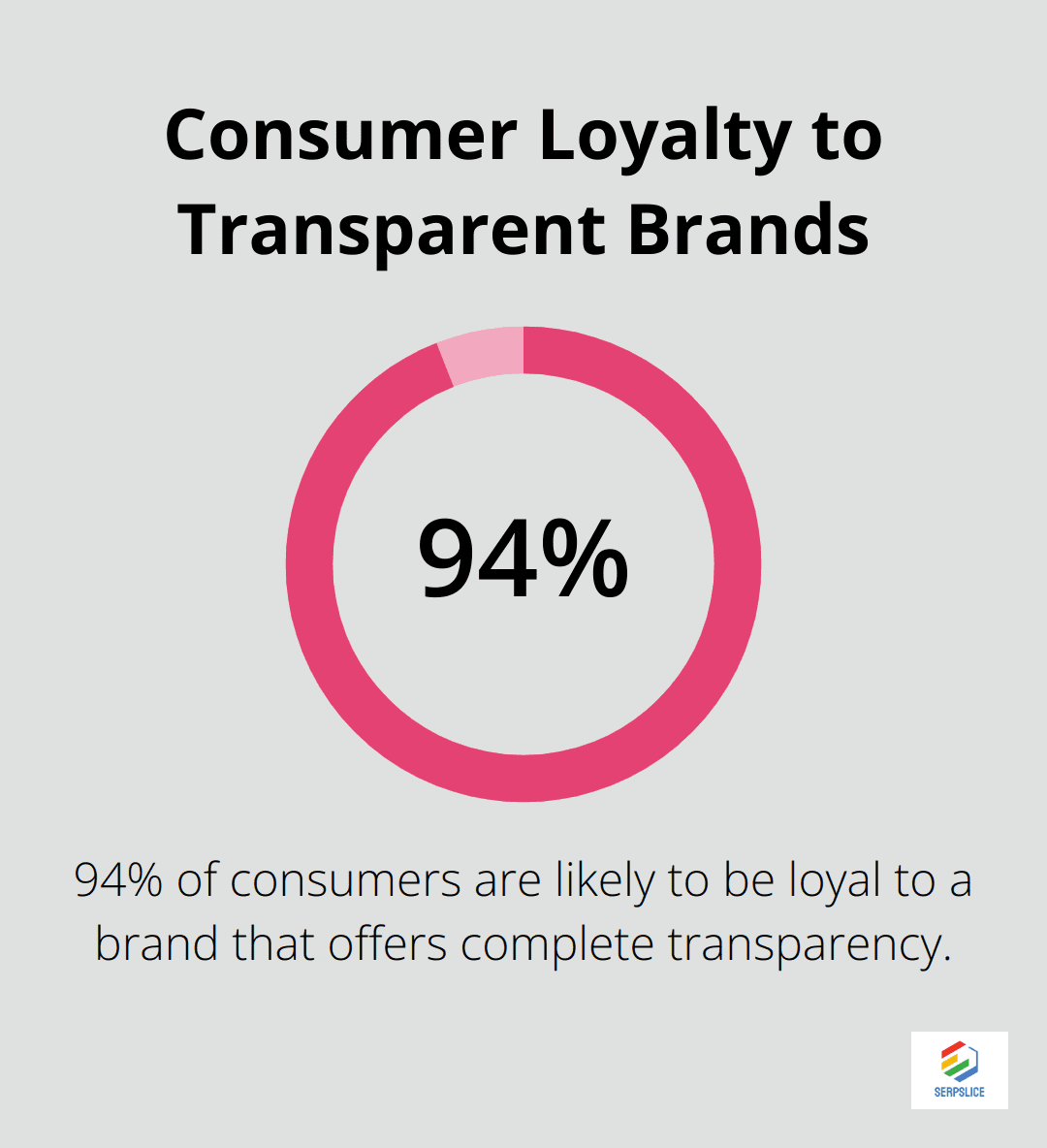
Stress the importance of transparency in all client interactions. A study found that 94% of consumers are likely to be loyal to a brand that offers complete transparency. This principle applies to agencies as well as product-based businesses.
Develop materials that explain your pricing in detail. This could include:
These resources serve two purposes: they educate clients and demonstrate your expertise, further justifying your pricing.
Implement a system to track the effectiveness of your new transparent pricing model. Monitor client acquisition rates, retention rates, and overall satisfaction. Use this data to make informed adjustments to your pricing structure and communication strategies.
Try to gather feedback from both new and existing clients about your transparent pricing approach. This information will help you refine your model and address any remaining areas of confusion or concern.
Transparent pricing has become a cornerstone of successful digital marketing agencies. It builds trust with clients, improves reputation, and streamlines the sales process. Agencies that adopt this approach position themselves as leaders in an industry that often struggles with opacity.
At SERPslice, we've witnessed how transparent pricing transforms client relationships. Our strategy-first approach, coupled with clear communication about costs and services, leads to stronger partnerships and better outcomes for our clients. This approach attracts more qualified leads and fosters an environment of mutual respect and collaboration.
We encourage all digital marketing agencies to examine their current pricing models and consider how they can incorporate greater transparency. The process may present challenges, but the rewards (in terms of client trust, loyalty, and long-term business growth) outweigh the effort. It's time for pricing to be as clear and measurable as the services we provide.