Conversion tracking is the backbone of effective digital marketing. Without it, businesses are flying blind, unable to measure the success of their campaigns across various platforms.
At SERPslice Inc, we've seen firsthand how proper tracking can transform marketing strategies and boost ROI. This guide will walk you through the essentials of setting up and optimizing conversion tracking across major platforms, ensuring you're making data-driven decisions.
Conversion tracking is here to stay and helps websites in many ways. It can highlight the user journey to your site and events, driving users to take important actions. It measures important actions users take on your website or app after interacting with your marketing efforts.
Marketing without conversion tracking resembles running a marathon blindfolded. You exert effort but lack direction. Conversion tracking removes this blindfold, providing clear insights into which marketing channels and campaigns drive valuable actions.
According to Forrester Research, companies using advanced web analytics like Google Analytics report an average of 10% revenue growth and a 70% reduction in costs. This extends beyond mere data collection; it involves using information to make informed decisions that directly impact your bottom line.

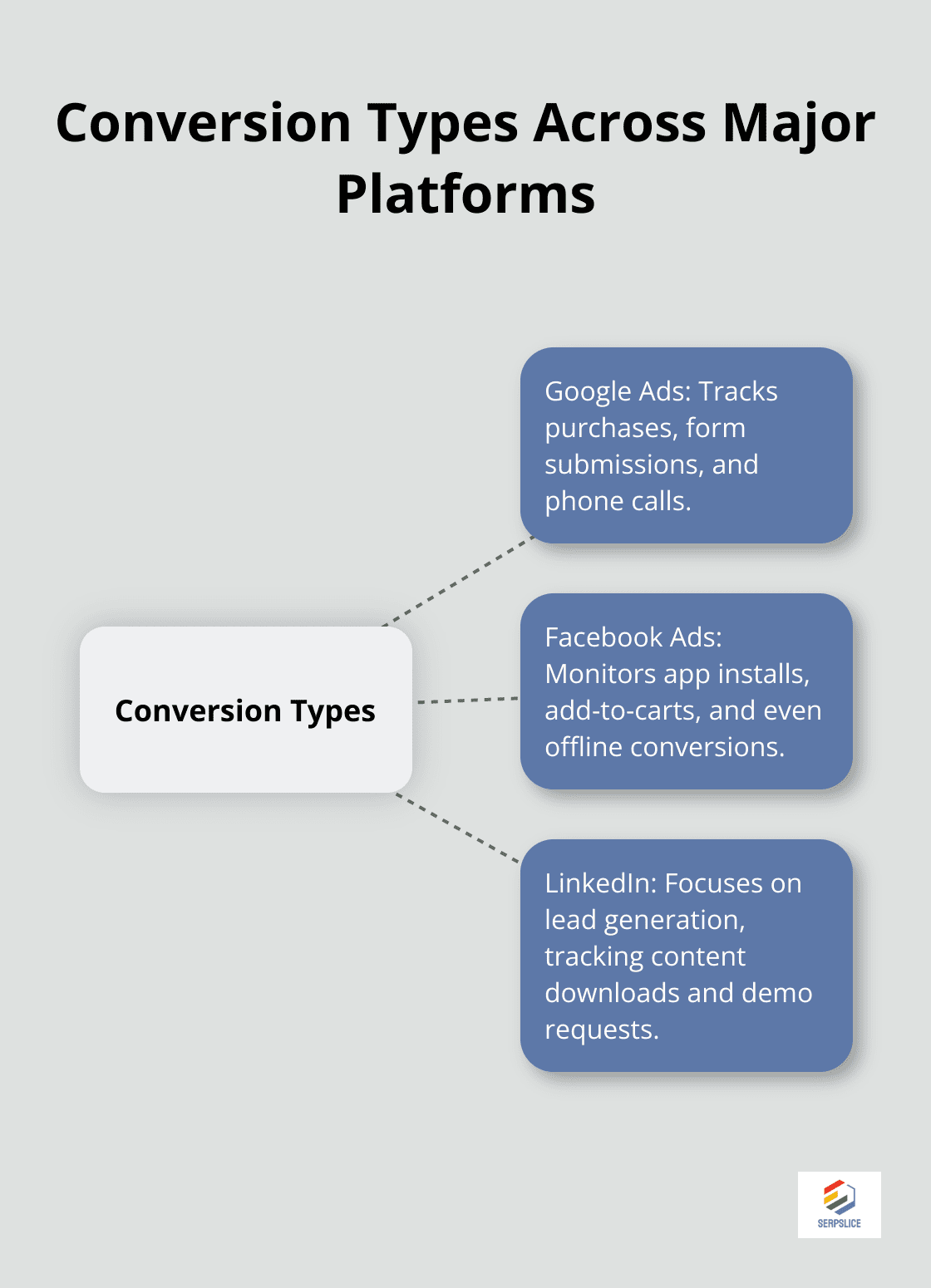
Different platforms offer various conversion types:
The key lies in aligning these conversion types with your business goals. E-commerce businesses prioritize add-to-carts and purchases, while B2B companies value form fills and demo requests.
Effective conversion tracking turns marketing from guesswork into a precise science. It enables you to:
Conversion tracking represents more than just a tool; it signifies a fundamental shift in marketing approach. It transforms abstract concepts into concrete numbers, allowing decisions based on real user behavior rather than assumptions.
As we move forward, we'll explore how to implement conversion tracking across various platforms (Google Analytics, Facebook Ads, LinkedIn Ads, and more). We'll also discuss how to leverage this data for maximum impact, ensuring your marketing efforts yield the best possible results.
Setting up conversion tracking across major platforms is essential for measuring the success of your marketing efforts. This guide will help you implement robust tracking systems on the most popular platforms.
Google Analytics 4 (GA4) now serves as the standard for tracking website activity. To set up conversion tracking:
Pro tip: Use Google Tag Manager to simplify the process of adding tracking codes and events to your site.
For e-commerce sites, enable enhanced e-commerce tracking in GA4 to get detailed insights into your sales funnel. This allows you to see which products users view most often, add to cart, and purchase.
Facebook's conversion tracking offers powerful cross-platform capabilities. Here's how to set it up:
A key advantage of Facebook's system is its ability to track conversions across devices. Meta offers cross-device reporting, which lets you see how users convert across different platforms and devices.
For Instagram, use the same Meta Pixel. This allows you to track conversions from both platforms in one place.
LinkedIn's conversion tracking provides particular value for B2B marketers. To implement it:
LinkedIn allows you to track up to 200 conversions per account. Focus on high-value actions (such as demo requests or whitepaper downloads).
TikTok's rapid growth makes it an increasingly important platform for marketers. Here's how to set up conversion tracking:
TikTok offers both standard events ('Purchase' or 'Add to Cart') and custom events. Use custom events to track actions unique to your business.
The key to effective conversion tracking lies in consistency across platforms. Use the same naming conventions for similar events on different platforms to facilitate cross-platform analysis. This approach sets the stage for implementing best practices, which we'll explore in the next section to further optimize your conversion tracking strategy.
Start by identifying what truly matters to your business. Don't track everything just because you can. Focus on high-impact actions that directly contribute to your bottom line. For an e-commerce site, this might be completed purchases. For a B2B company, it could be demo requests or whitepaper downloads.
Recent research has focused on analyzing effective digital marketing strategies to increase sales conversion on e-commerce platforms, highlighting the importance of setting clear, measurable goals.
UTM parameters are your secret weapon for cross-platform tracking. These simple additions to your URLs provide granular insights into which specific campaigns, sources, and content drive conversions.
A campaign URL might look like this:www.yourwebsite.com/landing-page?utm_source=facebook&utm_medium=cpc&utm_campaign=summer_sale
This level of detail allows you to pinpoint exactly which ad on which platform led to a conversion, enabling more accurate attribution and smarter budget allocation.
While basic pixel implementation is a good start, advanced pixel tracking takes your insights to the next level. Facebook's Conversions API aims to connect your marketing data directly with Funnels and Workflows in LeadConnector and Facebook Meta that help optimize ad performance.
Google's Global Site Tag (gtag.js) offers similar advanced features, allowing for more robust tracking across Google's suite of advertising products.
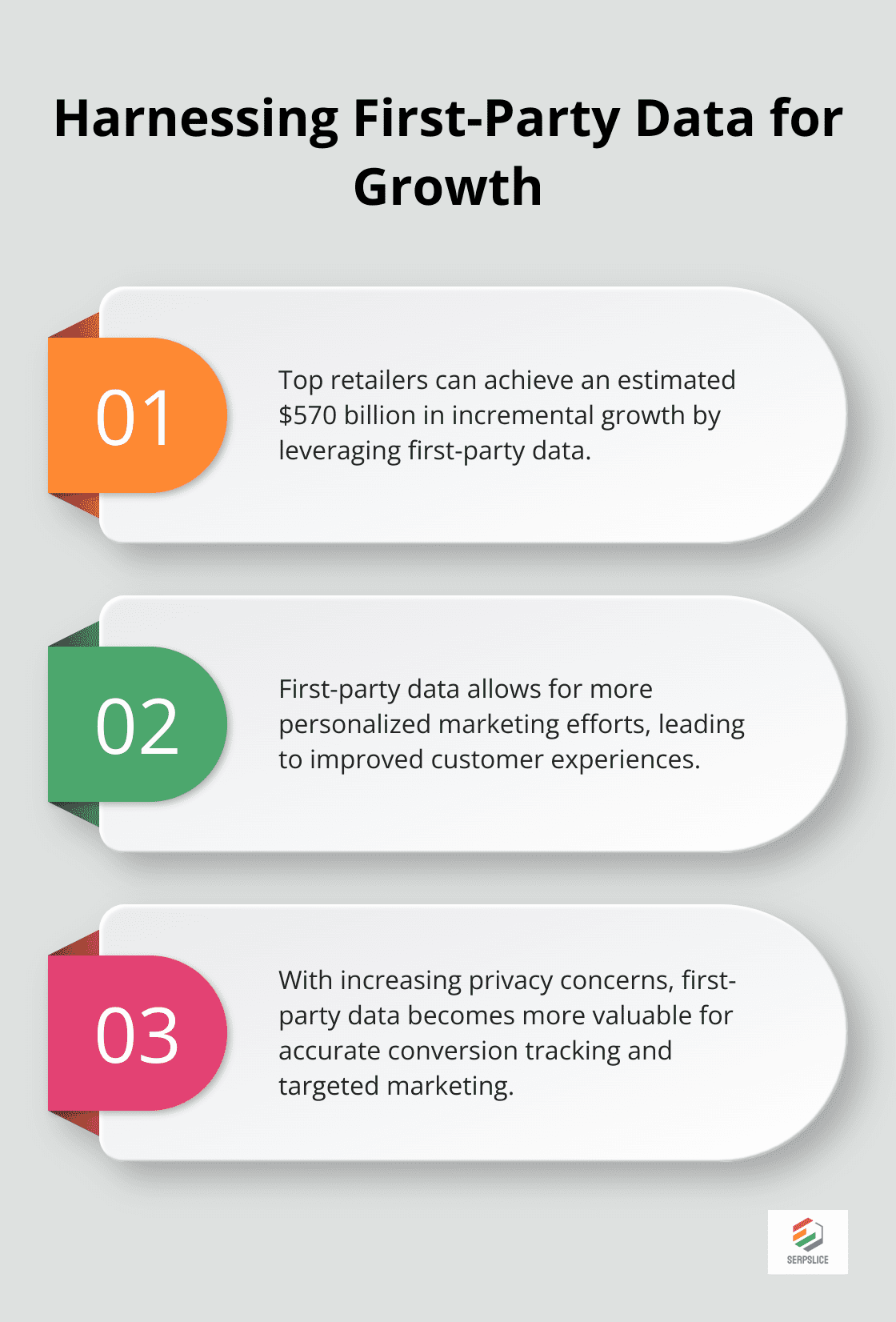
With increasing privacy concerns and the phasing out of third-party cookies, first-party data is more valuable than ever. This is data you collect directly from your customers through interactions on your website, app, or other owned channels.
Leveraging first-party data not only improves the accuracy of your conversion tracking but also allows for more personalized marketing efforts. Recent research suggests that top retailers can achieve an estimated $570 billion in incremental growth by harnessing first-party data to make customer experiences more relevant.
Set a schedule to review your conversion tracking setup. This helps ensure all tags function correctly and your tracked conversions align with current business goals. Try to perform these audits at least quarterly (or more frequently if you make significant changes to your website or marketing strategies).
Set up conversion tracking for key actions like form submissions, purchases, and downloads to effectively measure and demonstrate your ROI to stakeholders.
Conversion tracking forms the foundation of successful digital marketing strategies. It transforms abstract concepts into concrete, actionable data across major platforms like Google Analytics, Facebook Ads, LinkedIn, and TikTok. Businesses gain invaluable insights into user behavior and campaign performance through robust tracking implementation.
The future of conversion tracking intertwines with privacy concerns as third-party cookies phase out and regulations tighten. Marketers must adapt their strategies, emphasizing the importance of building direct customer relationships and leveraging first-party data effectively. Companies that balance robust tracking capabilities with user privacy respect will thrive in this evolving landscape.
We at SERPslice understand the complexities of modern digital marketing. Our strategy-first approach to SEO, PPC, social media, and email marketing drives maximum ROI through data-driven decision-making. We help businesses navigate conversion tracking intricacies across platforms, ensuring wise spending of every marketing dollar (while continuously adapting our strategies to the changing digital landscape).