Frequently Asked Questions
How does a scalable SEO platform manage content creation?
A scalable SEO platform manages content creation by using templates for different page types, automating meta tags, and leveraging schema markup. This approach streamlines the process, ensuring consistent optimization across various pages without overwhelming manual work.
How does a scalable SEO platform provide SEO reporting?
A scalable SEO platform provides SEO reporting by generating comprehensive data on keyword performance, backlinks, site audits, and more. It offers insights into SEO strategies' effectiveness, allowing for informed decision-making and continuous optimization to improve online visibility and rankings.
How to develop a scalable SEO team structure?
To develop a scalable SEO team structure, consider the following steps:
Define clear roles and responsibilities for team members.
Implement regular training and upskilling programs.
Foster open communication and collaboration within the team.
Utilize project management tools for efficient workflow.
Monitor performance metrics and adjust strategies accordingly.
How does a scalable SEO platform handle keyword research?
A scalable SEO platform handles keyword research by utilizing automation tools, data analysis, and keyword grouping techniques. It streamlines the process, identifies high-value keywords, and adapts strategies based on performance data for optimal results.
What is the role of automation in scalable SEO strategies?
Automation plays a crucial role in scalable SEO strategies by streamlining tasks like meta tag generation, content templating, link building, and PR efforts. It saves time, increases efficiency, and allows for consistent implementation across various SEO elements, contributing to improved performance and results.
How does a scalable SEO platform benefit businesses?
A scalable SEO platform benefits businesses by automating tasks, increasing efficiency, improving rankings, and driving organic traffic. It allows for easy management of on-page, off-page, and technical SEO efforts, leading to sustainable growth and better online visibility.
Can a scalable SEO platform handle multiple languages?
A scalable SEO platform can handle multiple languages by optimizing content, meta tags, and URLs for each language, implementing hreflang tags, and ensuring proper indexing and crawling of multilingual content. It's essential for international SEO success.
How to scale SEO for large-scale product launches?
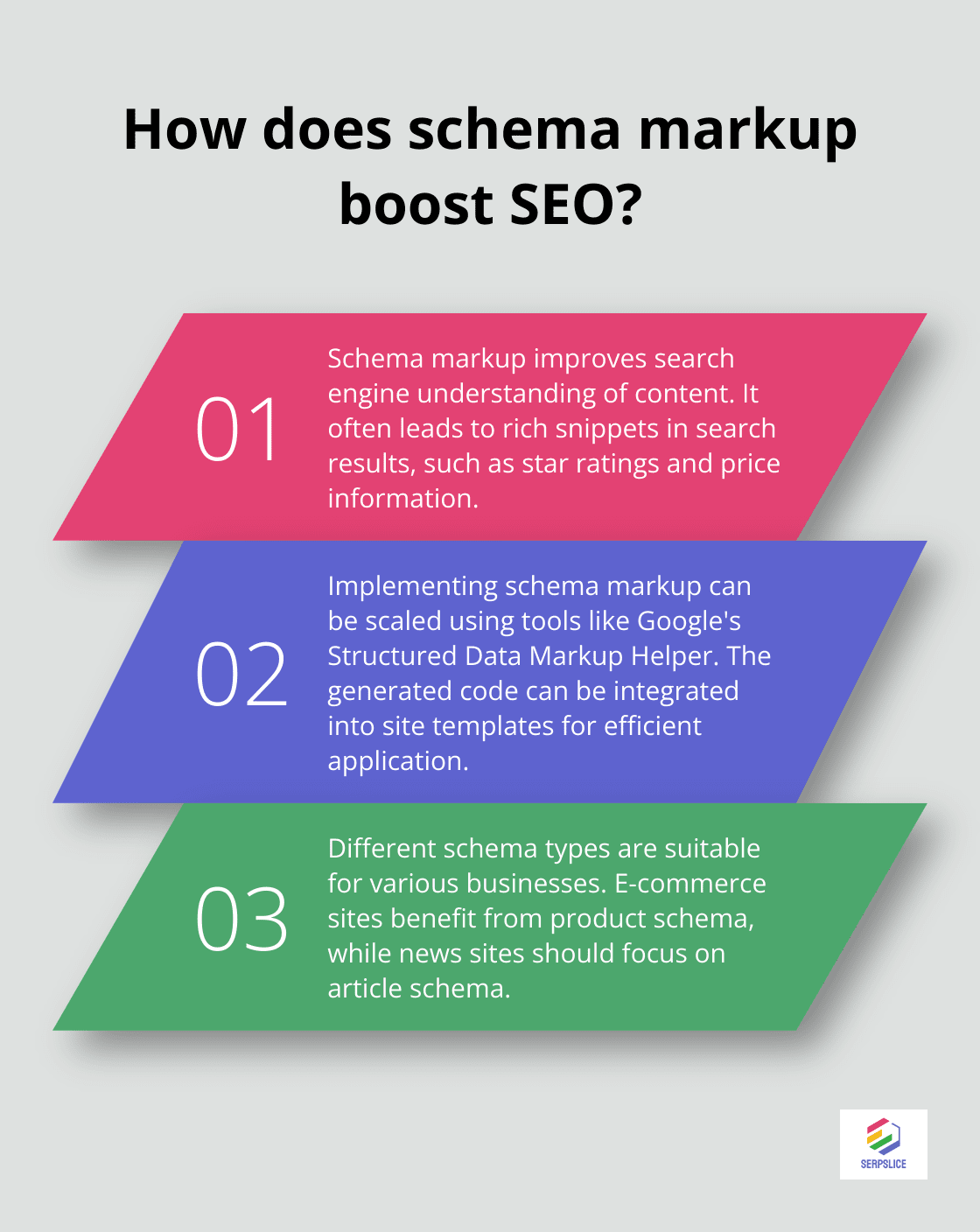
To scale SEO for large-scale product launches, utilize content templates for various page types, implement schema markup for product information, streamline link building efforts, automate social engagement, systematize PR strategies, and regularly check for technical SEO issues using tools like Screaming Frog or DeepCrawl.
Can a scalable SEO platform integrate with CRM?
Yes, a scalable SEO platform can integrate with CRM systems to streamline data management, enhance customer insights, and improve overall marketing strategies. This integration allows for a more cohesive approach to customer engagement and personalized marketing efforts.
How does scalability impact SEO analytics?
Scalability in SEO analytics allows for tracking and analyzing data across various levels of a website or campaign, providing insights into performance trends, identifying opportunities for optimization, and adapting strategies to meet changing demands effectively. It enables a comprehensive view of SEO efforts, leading to informed decision-making and continuous improvement.
How to develop scalable SEO strategies for large e-commerce websites?
Develop scalable SEO strategies for large e-commerce websites by utilizing content templates, automating meta tags, leveraging schema markup, supercharging link building, streamlining PR efforts, implementing site-wide XML sitemaps, and conducting regular technical SEO audits. Stay agile, adapt to algorithm updates, and focus on data-driven insights for long-term success.
How to measure the scalability of an SEO strategy?
To measure the scalability of an SEO strategy, track key performance indicators (KPIs) like organic traffic, keyword rankings, backlinks, and conversion rates over time. Analyze data trends, assess the impact of changes, and adjust strategies accordingly for continuous improvement. Regularly monitor and adapt to ensure scalability and success.
What is the impact of scalable SEO on website traffic?
Scalable SEO can significantly boost website traffic by improving rankings, increasing visibility, and attracting more organic visitors. Implementing scalable SEO strategies like on-page optimizations, off-page link building, and technical SEO enhancements can lead to sustainable growth in website traffic over time.
What is the cost of a scalable SEO platform?
The cost of a scalable SEO platform can vary depending on the provider and the specific services included. Factors such as the size of your website, the level of customization needed, and the extent of ongoing support required can all impact the pricing. It's best to contact different providers for quotes tailored to your business needs.
What are the most effective scalable link building techniques?
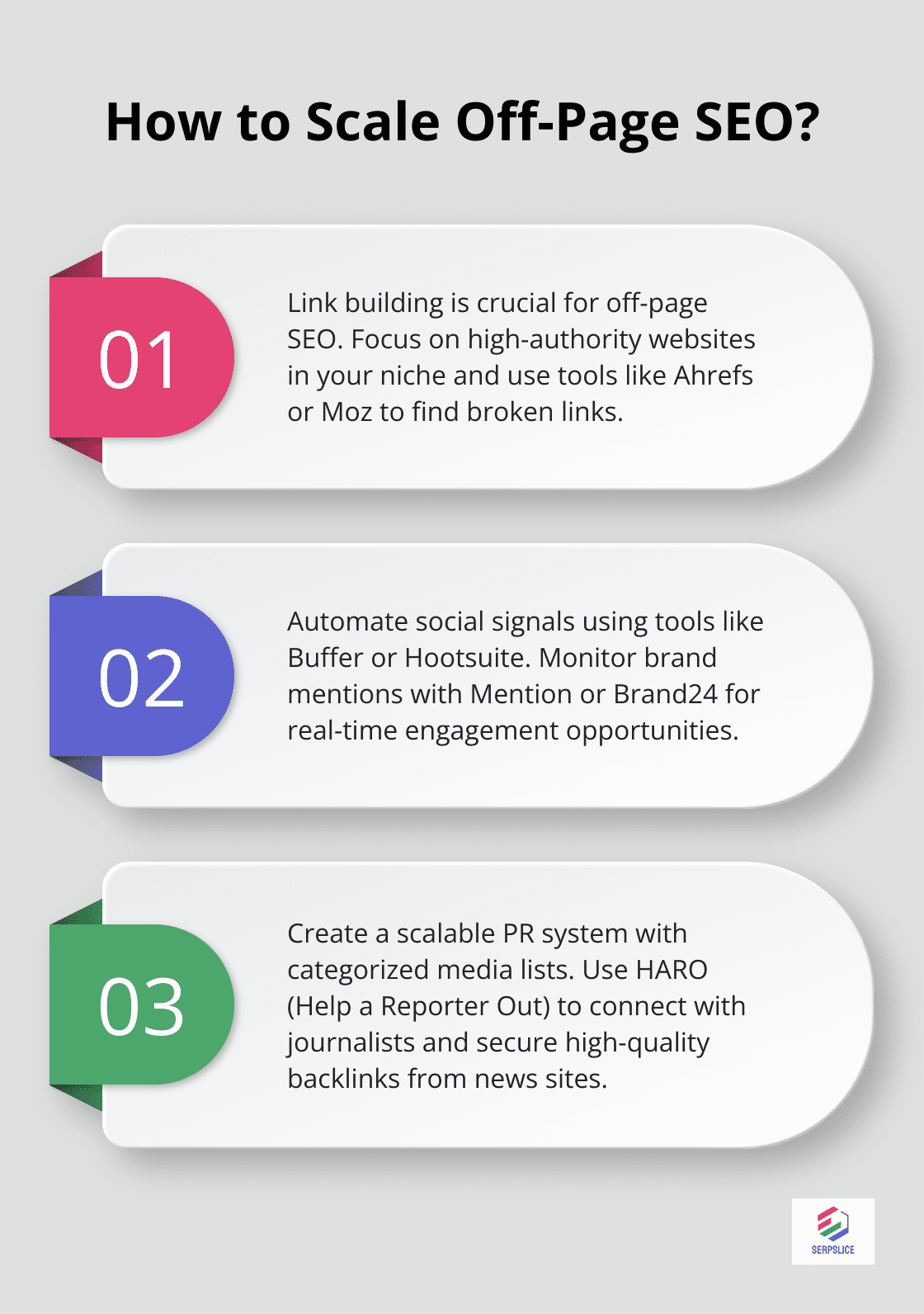
Scaling link building requires strategic approaches. Effective techniques include:
1. Broken link building for quality backlinks.
2. Guest posting with scheduled posts.
3. PR outreach with media lists and press release templates.
4. Utilizing alerts for expert insights.
Is a scalable SEO platform secure and reliable?
A scalable SEO platform can be secure and reliable if proper measures are in place. Regular audits, staying updated on security protocols, and using reputable tools can enhance platform security and reliability. It's essential to prioritize data protection and system stability for a trustworthy SEO solution.
What are the common mistakes in scalable SEO implementation?
Common mistakes in scalable SEO implementation include neglecting on-page optimization, failing to leverage schema markup, overlooking link building strategies, neglecting technical SEO like XML sitemaps, and not adapting to algorithm updates. It's crucial to prioritize these aspects for successful scalable SEO efforts.
How does a scalable SEO platform support SEO strategies?
A scalable SEO platform supports SEO strategies by automating tasks, templatizing content, leveraging schema markup, and streamlining link building and PR efforts. It allows for efficient on-page, off-page, and technical SEO optimization, helping businesses adapt to changing digital landscapes and maintain top rankings.
Can a scalable SEO platform help with competitor analysis?
A scalable SEO platform can indeed assist with competitor analysis by providing insights into competitor keywords, backlinks, and overall SEO strategies. This data can help businesses identify opportunities and refine their own SEO tactics for better performance in the digital landscape.
How to integrate scalable SEO with content marketing?
Integrating scalable SEO with content marketing involves creating SEO-optimized content, utilizing keywords strategically, and promoting content through various channels. Develop high-quality, relevant content that aligns with SEO best practices, incorporate keywords naturally, and leverage social media and email marketing to amplify reach. Regularly analyze performance metrics to refine strategies for optimal results.
Can a scalable SEO platform handle high traffic?
A scalable SEO platform can handle high traffic by optimizing technical aspects like site speed, XML sitemaps, and content templates. It automates tasks, streamlines link building, and adapts to evolving algorithms, ensuring performance under heavy traffic loads.
What are the benefits of using scalable SEO templates?
Scalable SEO templates streamline content creation, ensure consistency across pages, and save time. They help automate meta tags, headers, and internal linking, boosting SEO performance efficiently. Additionally, templates simplify on-page optimization and allow for easy scaling of SEO efforts.
What features define a scalable SEO platform?
A scalable SEO platform should offer automation for meta tags, content templates, and schema markup. It should streamline link building, PR efforts, and technical SEO with tools like XML sitemaps and site audits. The platform must adapt to algorithm updates and provide data-driven insights for flexible strategies.
How to scale content creation for SEO without sacrificing quality?
Scaling content creation for SEO without sacrificing quality involves creating content templates for different page types, utilizing CMS or scripts for data extraction, and focusing on key on-page elements like headers, meta tags, and internal linking. Additionally, leveraging tools for automation, such as scheduling posts and regular site audits, can streamline the process while maintaining high-quality standards. By implementing these strategies, businesses can efficiently scale their content creation efforts for SEO without compromising quality.
Is a scalable SEO platform suitable for enterprises?
A scalable SEO platform is highly suitable for enterprises as it allows for efficient management of large-scale SEO efforts, automating tasks, and optimizing performance across various aspects like on-page, off-page, and technical SEO. This approach ensures consistent growth and adaptability in the ever-evolving digital landscape, making it ideal for enterprise-level SEO strategies.
Can I customize a scalable SEO platform?
Yes, you can customize a scalable SEO platform by automating meta tags, templatizing content, leveraging schema markup, and implementing site-wide XML sitemaps. This customization allows for efficient scaling of SEO efforts tailored to your business needs.
What is the role of AI in scalable SEO platforms?
AI plays a crucial role in scalable SEO platforms by automating tasks like meta tag generation, content optimization, and data analysis. It helps streamline processes, improve efficiency, and adapt strategies based on real-time data, enhancing overall SEO performance.
What is the difference between scalable and non-scalable SEO?
Scalable SEO involves automating processes, using templates, and leveraging tools to efficiently manage SEO efforts at a larger scale. Non-scalable SEO requires manual, time-consuming tasks without the ability to easily expand efforts. Scalable SEO focuses on working smarter, not harder, to achieve sustainable results.
How do scalable SEO platforms improve website ranking?
Scalable SEO platforms improve website ranking by automating meta tags, templatizing content, leveraging schema markup, supercharging link building, and implementing technical SEO strategies. These platforms help businesses adapt to algorithm updates, conduct regular audits, and stay ahead in the ever-evolving digital landscape.
How does a scalable SEO platform support team collaboration?
A scalable SEO platform supports team collaboration by providing centralized access to data, allowing team members to work on tasks simultaneously, tracking progress in real-time, and facilitating communication through integrated tools like chat and task assignment features. This enhances efficiency and coordination among team members, leading to more effective SEO strategies and results.
Can a scalable SEO platform automate SEO tasks?
Yes, a scalable SEO platform can automate SEO tasks such as meta tag generation, content templating, schema markup implementation, link building, PR efforts, and technical SEO optimizations. Automation streamlines processes, saves time, and boosts SEO performance effectively.
Can AI be used for scalable SEO keyword research?
AI can indeed be used for scalable SEO keyword research. AI tools can analyze vast amounts of data quickly, identify trends, and suggest relevant keywords, helping businesses optimize their SEO strategies efficiently and effectively. By leveraging AI technology, companies can streamline their keyword research process and stay ahead in the competitive digital landscape.
How to scale SEO for multiple languages and locations?
Scaling SEO for multiple languages and locations involves creating separate URLs or subdomains for each language, using hreflang tags to indicate language and regional targeting, optimizing meta tags and content for each language, and building local backlinks for each location. Regularly monitor and analyze performance to make necessary adjustments.
What are the key elements of a scalable SEO framework?
A scalable SEO framework includes on-page optimization, schema markup, link building automation, PR streamlining, technical SEO like XML sitemaps and site audits, and continuous adaptation to algorithm updates for long-term success. Prioritize data-driven insights and Agile Project Management for flexibility and growth.
Can scalable SEO strategies be used for local businesses?
Scalable SEO strategies can definitely benefit local businesses by improving online visibility, attracting more local customers, and increasing website traffic. Implementing on-page optimizations, off-page tactics, and technical SEO can help local businesses rank higher in local search results and drive more foot traffic to physical locations. By tailoring scalable SEO strategies to target specific local keywords and optimizing Google My Business listings, local businesses can effectively reach their target audience and grow their customer base.
How to prioritize scalable SEO tasks for maximum ROI?
To prioritize scalable SEO tasks for maximum ROI, focus on on-page optimizations, schema markup, link building, PR efforts, and technical SEO. Automate where possible, streamline processes, and regularly audit and adapt strategies to stay ahead in the ever-evolving digital landscape.
What is the role of technical SEO in scalable strategies?
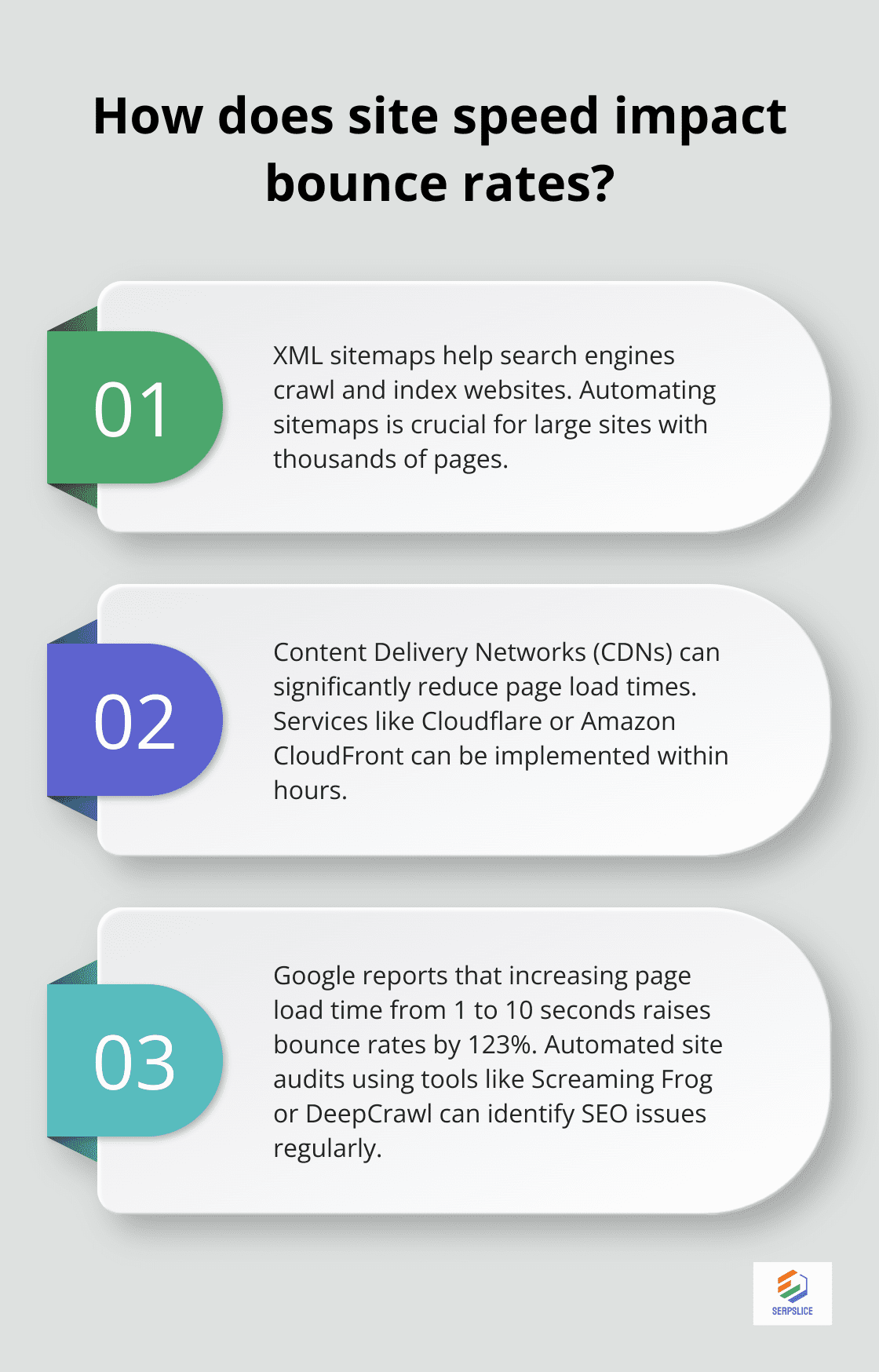
Technical SEO plays a crucial role in scalable strategies by optimizing site structure, improving load times, and ensuring search engine compatibility. It involves tasks like XML sitemaps, CDN setup, and regular site audits to enhance overall SEO performance.
What are the best tools for scalable SEO analytics?
Some of the best tools for scalable SEO analytics include Google Analytics, SEMrush, Ahrefs, Moz Pro, and Screaming Frog. These tools offer comprehensive data and insights to help optimize SEO strategies effectively.
Can scalable SEO strategies be used for affiliate marketing?
Scalable SEO strategies can indeed be effectively utilized for affiliate marketing. By implementing on-page optimizations, off-page tactics like link building, and technical SEO enhancements, affiliate marketers can boost their online visibility, drive more traffic, and increase conversions for their affiliate products or services. Leveraging SEO best practices can help affiliate marketers reach a wider audience and improve their overall performance in the competitive digital landscape.
Can scalable SEO strategies be used for new websites?
Scalable SEO strategies can indeed be used for new websites. By implementing on-page tactics, schema markup, link building, PR efforts, and technical SEO from the start, new websites can establish a strong foundation for long-term success in search engine rankings and organic traffic growth.
How can scalable SEO platforms streamline content optimization?
Scalable SEO platforms streamline content optimization by automating meta tags, creating content templates, leveraging schema markup, and implementing site-wide XML sitemaps. These tools help optimize on-page elements, enhance off-page strategies, and improve technical SEO efficiently.
What strategies ensure SEO scalability across different markets?
To ensure SEO scalability across different markets, focus on automating meta tags, templatizing content, leveraging schema markup, supercharging link building, streamlining PR efforts, implementing site-wide XML sitemaps, and conducting regular technical SEO audits. These strategies help adapt SEO efforts to diverse market needs efficiently.
How do scalable SEO platforms adapt to algorithm updates?
Scalable SEO platforms adapt to algorithm updates by staying informed, conducting regular audits, and adjusting strategies accordingly. They utilize data-driven insights, agile project management, and flexible optimization techniques to evolve with the changing digital landscape.
What workflow automation features do scalable SEO platforms offer?
Scalable SEO platforms offer workflow automation features such as automated meta tags, content templating, schema markup scaling, link building automation, social engagement scheduling, PR systematization, site-wide XML sitemaps, and regular site audits for technical SEO maintenance. These features streamline processes and enhance SEO performance efficiently.
How do scalable platforms ensure consistent SEO performance?
Scalable platforms ensure consistent SEO performance by automating tasks like meta tags, content templates, and link building. They streamline processes, leverage schema markup, and conduct regular technical audits to adapt to algorithm changes, ensuring sustained optimization and improved rankings over time.
Can scalable SEO platforms predict and adapt to trends?
Scalable SEO platforms can predict and adapt to trends by utilizing data-driven insights, agile project management, and staying updated on algorithm changes. This allows for flexible and adaptable strategies that evolve with the digital landscape, ensuring continued success in SEO efforts.
How do platforms ensure scalable SEO strategies remain effective?
Platforms ensure scalable SEO strategies remain effective by automating meta tags, templatizing content, leveraging schema markup, supercharging link building, streamlining PR efforts, implementing site-wide XML sitemaps, and conducting regular technical SEO audits. By staying agile, adapting to algorithm updates, and focusing on data-driven insights, platforms can maintain SEO success.
What collaboration tools are essential in scalable SEO platforms?
Collaboration tools essential in scalable SEO platforms include project management software like Asana or Trello, communication tools such as Slack or Microsoft Teams, and file sharing platforms like Google Drive or Dropbox. These tools streamline teamwork, enhance communication, and ensure efficient workflow in SEO projects.
How can scalable SEO platforms enhance UX for SEO?
Scalable SEO platforms can enhance UX for SEO by improving site speed through CDN implementation, optimizing meta tags for better user engagement, and ensuring technical SEO elements like XML sitemaps are in place for smoother navigation. These enhancements lead to a more user-friendly experience, boosting overall SEO performance.
How can scalable SEO platforms support mobile optimization?
Scalable SEO platforms can support mobile optimization by implementing responsive design, optimizing page speed, prioritizing mobile-friendly content, utilizing structured data markup, and focusing on local SEO strategies for mobile users. These platforms adapt to changing algorithms and user behaviors, ensuring a seamless mobile experience for improved rankings and user engagement.
What role does data analysis play in scalable SEO strategies?
Data analysis plays a crucial role in scalable SEO strategies by providing insights for optimizing performance, identifying trends, and adapting strategies based on results. It helps in making informed decisions and continuously improving SEO efforts for long-term success.
How do scalable platforms balance on-page and off-page SEO?
Scalable platforms balance on-page and off-page SEO by automating meta tags, templatizing content, leveraging schema markup, supercharging link building, and streamlining PR efforts. This approach optimizes SEO performance without overwhelming resources, ensuring a well-rounded strategy for online success.
How can scalable SEO platforms improve local search visibility?
Scalable SEO platforms can enhance local search visibility by optimizing on-page elements, leveraging schema markup for local businesses, and streamlining off-page efforts like link building and PR tailored to local audiences. Additionally, implementing technical SEO strategies such as site-wide XML sitemaps can further boost local search rankings.
What methodologies do scalable SEO platforms use for link analysis?
Scalable SEO platforms use advanced algorithms, AI, and machine learning for link analysis. They analyze link quality, relevance, authority, and anchor text diversity to enhance website rankings and organic traffic. Additionally, they monitor competitor backlinks and identify new link-building opportunities to improve overall SEO performance.
How can scalable SEO platforms ensure content relevancy and authority?
Scalable SEO platforms ensure content relevancy and authority by automating meta tags, templatizing content, leveraging schema markup, supercharging link building, and implementing technical SEO strategies. These tactics help maintain pole position in search engine rankings and adapt to evolving digital landscapes.
How do scalable platforms guarantee SEO compliance and best practices?
Scalable platforms ensure SEO compliance and best practices by automating meta tags, templatizing content, leveraging schema markup, supercharging link building, setting up site-wide XML sitemaps, and regularly checking for technical issues. These strategies help maintain SEO performance and adapt to evolving digital landscapes efficiently.
Can scalable SEO platforms offer personalized SEO recommendations?
Scalable SEO platforms can provide personalized SEO recommendations by analyzing data and trends specific to each business, tailoring strategies accordingly. This customization enhances optimization efforts and boosts online visibility effectively.
What is the role of predictive analytics in scalable SEO?
Predictive analytics in scalable SEO helps forecast trends, optimize strategies, and adapt to changes efficiently. By analyzing data, businesses can make informed decisions, enhance performance, and stay ahead of the competition.
How can scalable SEO platforms manage SERP volatility?
Scalable SEO platforms can manage SERP volatility by utilizing data-driven insights, adapting strategies to algorithm updates, conducting regular audits, and implementing flexible SEO tactics. By staying agile and responsive to changes, these platforms can navigate fluctuations in search engine rankings effectively.
Can scalable SEO platforms provide in-depth backlink profiles?
Scalable SEO platforms can offer in-depth backlink profiles through tools like Ahrefs, SEMrush, and Moz. These platforms provide comprehensive data on backlinks, including source domains, anchor text, and authority metrics, aiding in effective link building strategies.