Social media strategy is no longer optional for businesses. It's a powerful tool that can drive growth, engagement, and brand loyalty.
At SERPslice Inc, we've seen firsthand how a well-crafted social media approach can transform a company's online presence. This post will guide you through creating a strategy that aligns perfectly with your business goals, ensuring every post, tweet, and story contributes to your success.
Social media strategy is no longer optional for businesses. It's a powerful tool that can drive growth, engagement, and brand loyalty. This post will guide you through creating a strategy that aligns perfectly with your business goals, ensuring every post, tweet, and story contributes to your success.
Start by identifying specific, measurable goals that align with your overall business strategy. Try to set a goal like "grow Instagram followers by 25% in the next quarter" instead of a vague goal like "increase brand awareness." This specificity allows you to track progress and adjust your strategy as needed.
Businesses who set clear, quantifiable objectives often achieve their social media goals more effectively. When setting your objectives, consider metrics such as lead generation, website traffic, or sales conversions. Tools like Google Analytics can help you track these metrics and tie them directly to your social media efforts.
Creating detailed buyer personas is essential for tailoring your content to the right audience. Go beyond basic demographics and explore psychographics - their interests, pain points, and online behaviors.
Use social media analytics tools to gather data on your current followers. Facebook Insights, for instance, provides detailed information about your page's audience (including age, location, and when they're most active online).
Don't overlook the value of competitive analysis. Study your competitors' social media presence to identify gaps in the market and opportunities for differentiation. Tools like Sprout Social or Hootsuite can help you track competitor performance across platforms.
Pay attention to the type of content that generates the most engagement for your competitors. Is it video content, user-generated posts, or educational infographics? Use these insights to inform your own content strategy.
The goal isn't to copy your competitors, but to learn from their successes and failures. This analysis can help you refine your unique value proposition and stand out in a crowded social media landscape.
Selecting the appropriate metrics to track is vital for measuring the success of your social media efforts. Different goals require different metrics. For example:
Make sure to regularly review these metrics (at least monthly) to assess your progress and make necessary adjustments to your strategy.
Now that you've set clear objectives, understood your audience, and learned from your competitors, it's time to explore how to choose the right social media platforms to reach your target audience effectively.
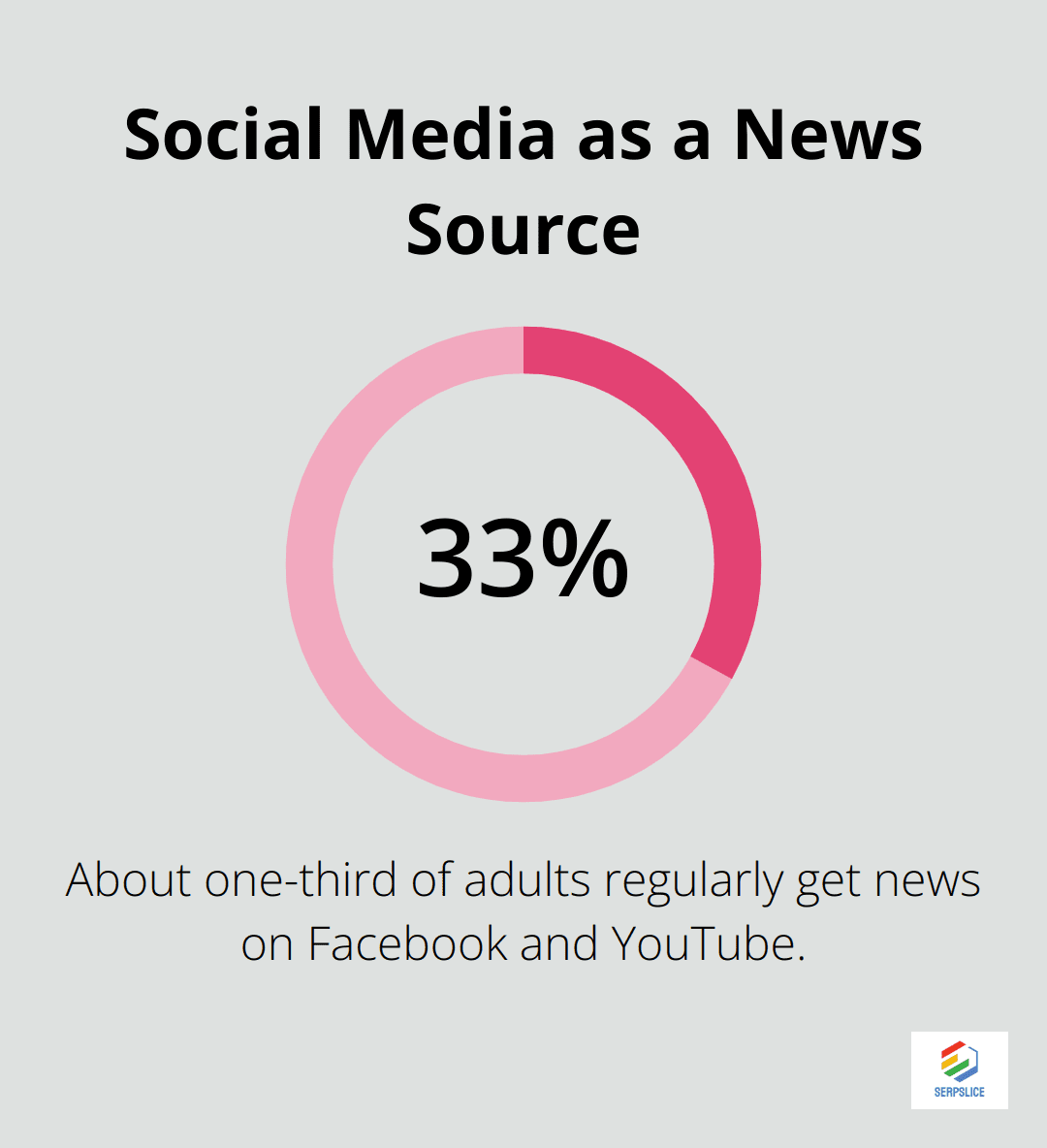
The selection of social media platforms can make or break your strategy. Research shows where your target audience spends their online time. Social media plays a crucial role in Americans' news consumption, with about one-third of adults saying they regularly get news on Facebook and YouTube. Instagram attracts younger users, with 71% of 18-29 year-olds active on the platform.
For B2B clients or professionals, LinkedIn stands out. With over 900 million members worldwide and 49% of users earning $75,000+ annually (LinkedIn data), it offers a prime space for business networking.
Each platform excels at different content formats. Short-form videos thrive on TikTok and Instagram Reels. TikTok's engagement rate tops the charts, with users spending an average of 95 minutes daily on the app (Sensor Tower, 2024).
YouTube dominates long-form video content. As the second most visited website globally (after Google), it boasts over 2 billion logged-in monthly users. This platform suits in-depth tutorials or product demonstrations perfectly.
Evaluate your team's ability to manage multiple platforms effectively. Social media ROI statistics for 2025 can help identify top platforms, measure ad performance and clearly show your impact on business goals. Small teams should prioritize platforms with robust scheduling and analytics tools (like Buffer) to streamline workflow and save time.
Quality trumps quantity in social media presence. A well-maintained presence on fewer platforms often yields better results than a scattered approach. Choose wisely to set your strategy up for success from the start.
Each social media platform offers unique features that can enhance your marketing efforts. Instagram's Stories and Reels provide opportunities for ephemeral content and short-form videos. Twitter's real-time nature makes it ideal for customer service and brand personality showcasing. Facebook's Groups feature can help build community around your brand.

Try to incorporate these platform-specific features into your strategy. They can increase engagement and help your content stand out in crowded feeds.
The social media landscape evolves rapidly. What works today might not work tomorrow. Set up a system to monitor your performance across chosen platforms (using tools like Hootsuite or Sprout Social). Regular analysis of your metrics will help you identify which platforms deliver the best ROI for your business.
Don't hesitate to adjust your platform mix if the data suggests a change. The key to social media success lies in flexibility and willingness to adapt to new trends and audience behaviors.
As you select the right platforms for your business, the next step involves creating content that resonates with your audience and drives engagement. Let's explore how to craft a content strategy that aligns with your business goals and captivates your followers.
A well-planned content calendar aligns your posts with business goals and maintains consistency across platforms. Design a content calendar to plan, schedule, and manage posts in one place. This allows you to align your posts with key business events, product launches, or seasonal trends. Free templates and tools can help make your workflow less chaotic.
When you plan your content, tie it back to your business objectives. If your goal is to increase product awareness, schedule posts that highlight product features or showcase customer testimonials. For lead generation, focus on content that drives traffic to landing pages or encourages email sign-ups.
Keep your audience engaged by finding the sweet spot between promotional and value-adding content. Try for an 80/20 split: 80% of your content should inform, entertain, or solve problems for your audience, while 20% can directly promote your products or services.
Value-adding content includes industry insights, how-to guides, or behind-the-scenes looks at your company. This approach builds trust and positions your brand as a thought leader in your field.
User-generated content (UGC) provides authenticity and engagement. UGC is 20% more influential than any other type of media when it comes to driving Millennial's purchasing decisions. Encourage your customers to share their experiences with your products through hashtag campaigns or contests.
A clothing brand might ask customers to post photos wearing their outfits with a specific hashtag. This not only provides social proof but also creates a sense of community around your brand. UGC increases conversions by 161% when used effectively.
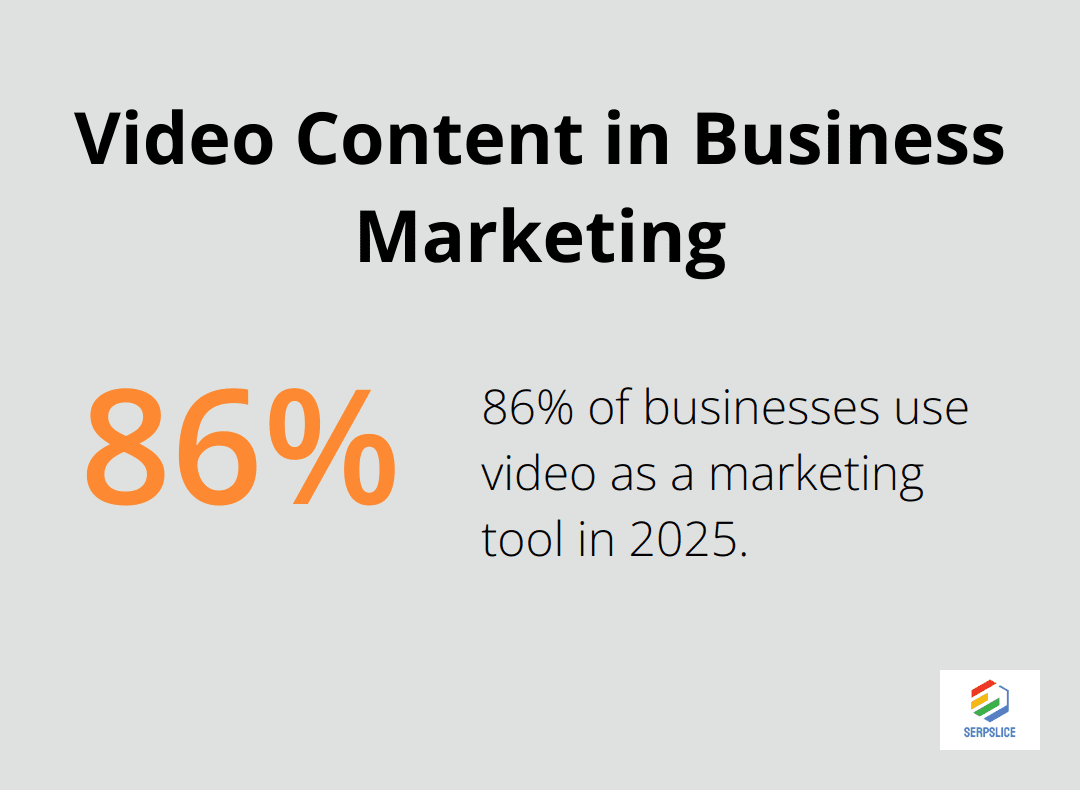
Mix up your content with a variety of formats to keep your feed fresh and engaging. Video content has seen a surge in popularity. Wyzowl's 2025 State of Video Marketing report shows that 86% of businesses use video as a marketing tool (up from 61% in 2020).
Incorporate:
Tailor your content to each platform's strengths. What works on LinkedIn might not resonate on Instagram.
Set up a system to track key performance indicators (KPIs) for your content. This might include engagement rates, click-through rates, or conversion rates. Use analytics tools provided by social media platforms or third-party tools (like Hootsuite or Sprout Social) to gather data.
Regularly review your metrics to identify which types of content perform best. Use these insights to refine your content strategy and allocate resources more effectively.
A well-crafted social media strategy aligns with business goals and creates powerful synergy for growth and engagement. Your strategy must evolve as your business and the social media landscape change. Continuous evaluation and adaptation will lead to long-term success in the fast-moving world of social media.
Define your goals, understand your audience, and select the right platforms to start implementing these strategies. Create content that resonates with your followers and drives them towards your business objectives. Measure your results and refine your approach based on data-driven insights to improve your social media presence.
We at SERPslice Inc have witnessed how a strategic approach to social media transforms businesses. Our tailored digital marketing solutions can help you navigate social media marketing complexities and achieve your business goals. Success in social media requires focus and adaptability, so start your journey today and watch your online presence flourish.