In today's fast-paced digital landscape, defining a digital strategy is essential for business success. At SERPslice Inc, we've seen firsthand how a well-crafted strategy can transform organizations and drive growth.
This guide will walk you through the key steps to create a winning digital strategy tailored to your business needs. We'll cover everything from assessing your current digital presence to implementing effective tactics and measuring results.
Assessing your current digital landscape forms the foundation of a winning strategy. This process involves a comprehensive analysis of your existing online presence, from website performance to social media engagement.
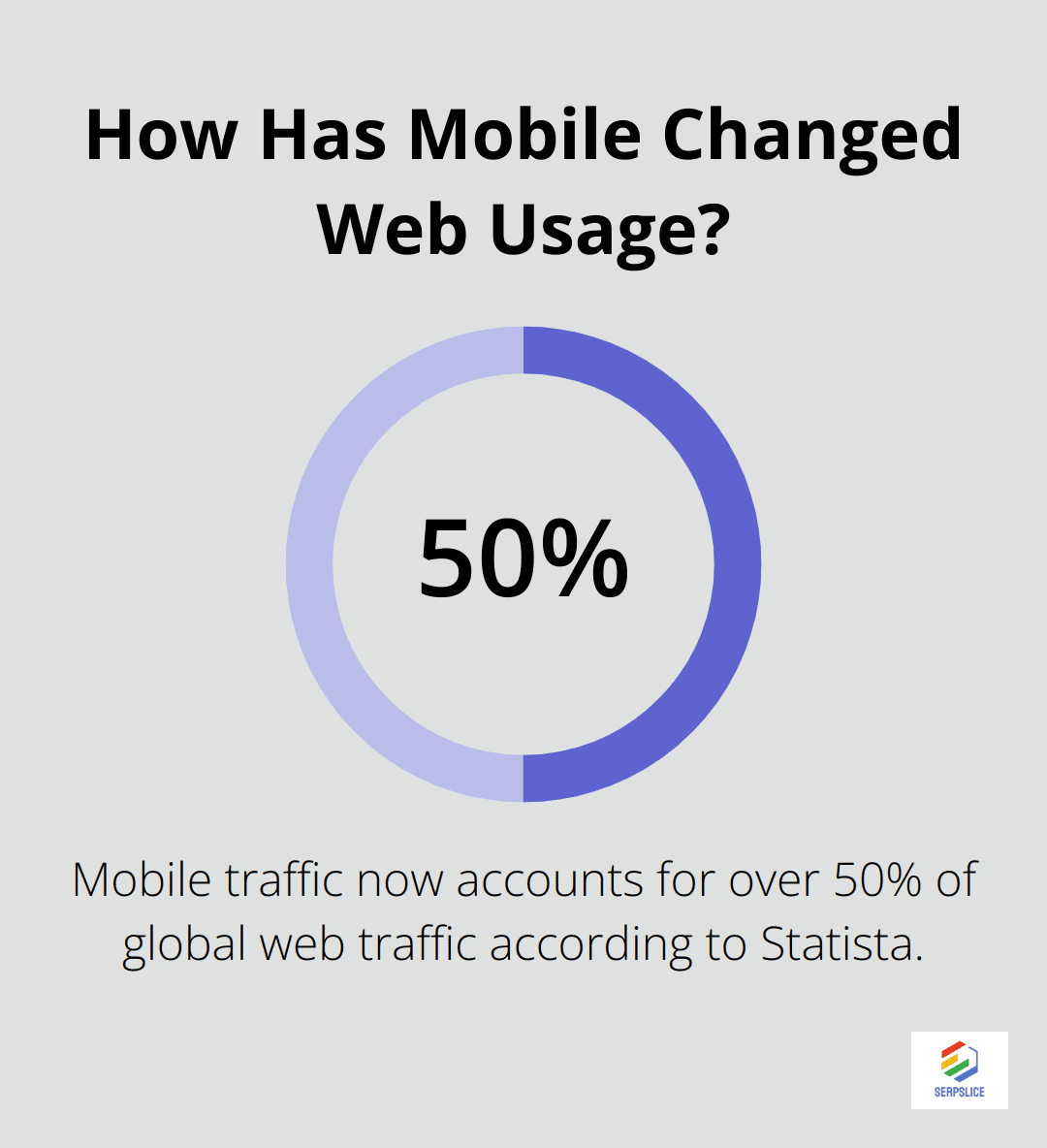
Start by examining your website's technical health. Tools like Google PageSpeed Insights measure loading times and identify areas for improvement. Statistics show that if a webpage takes longer than 3 seconds to load, abandonment rates increase significantly. Check your site's mobile responsiveness, as mobile traffic now accounts for over 50% of global web traffic (according to Statista).
Evaluate your social media presence next. Look at engagement rates, follower growth, and content performance across platforms. Identify which types of content resonates most with your audience and which platforms drive the most traffic to your site.
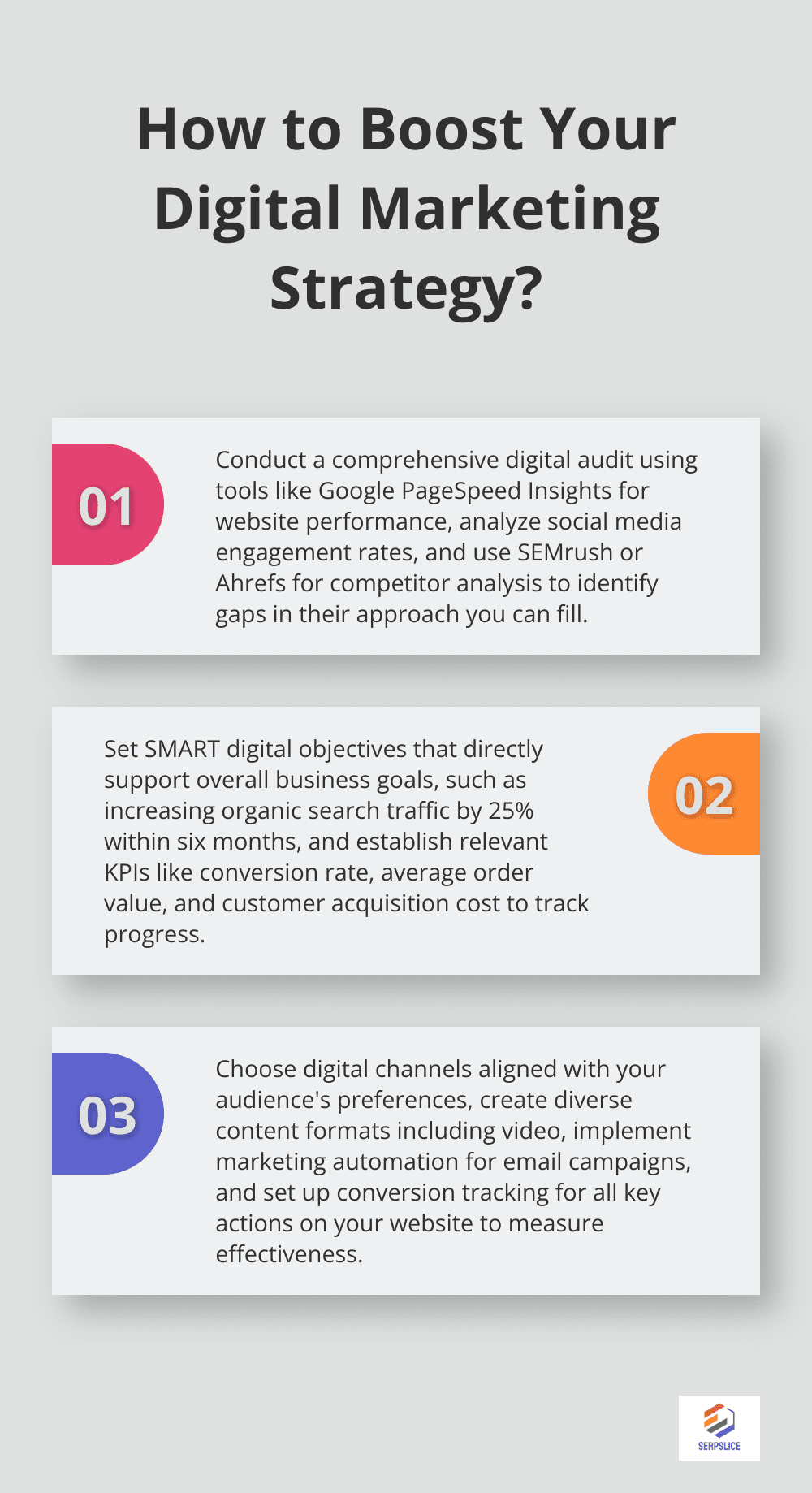
Analyze your competitors' digital strategies. Tools like SEMrush or Ahrefs provide insights into their keyword rankings, backlink profiles, and content strategies. Pay attention to gaps in their approach that you could potentially fill. For example, if they neglect video content, consider that YouTube ranks as the second largest search engine (after Google).
After gathering this data, conduct a SWOT analysis specific to your digital presence. Strengths might include a highly engaged email list or strong organic search rankings. Weaknesses could involve a high bounce rate or low conversion rates on key landing pages. Opportunities might encompass emerging social platforms or untapped content niches. Threats could include aggressive competitors or changes to search algorithms.
Digital landscapes change rapidly. What worked last year might not be effective today. Regular audits help you stay ahead in the digital race. Monitor marketing campaigns to optimize performance, catch issues early, and maximize ROI. Use tools like Google Analytics and social media insights to track your progress and identify new trends.
This comprehensive assessment provides a solid foundation for your digital strategy. It highlights areas where you excel and pinpoints opportunities for growth. With this information in hand, you're ready to set clear and measurable goals for your digital efforts.
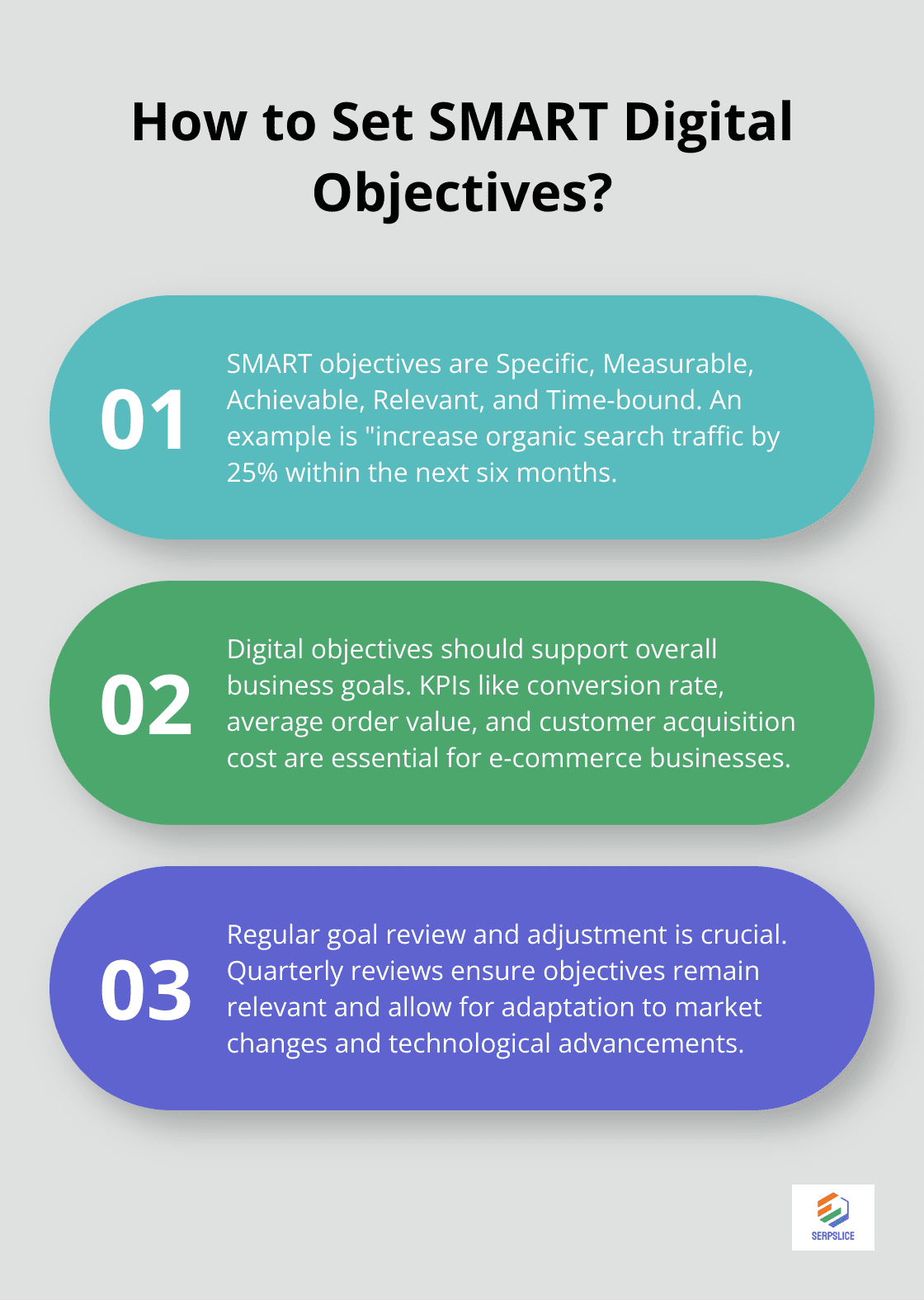
Setting clear, measurable goals forms the cornerstone of any successful digital strategy. Without well-defined objectives, digital efforts can become unfocused and ineffective. The SMART framework (Specific, Measurable, Achievable, Relevant, and Time-bound) provides a solid foundation for goal-setting. For example, instead of a vague goal like "increase website traffic," a SMART objective might state "increase organic search traffic by 25% within the next six months." This approach provides clarity and direction for digital efforts.
Digital objectives should directly support overall business goals. If a company aims to expand into a new market segment, the digital strategy might focus on increasing brand awareness and lead generation within that specific audience.
Identifying the right Key Performance Indicators (KPIs) to track progress is essential after setting goals. These metrics should provide actionable insights into digital performance. For an e-commerce business, relevant KPIs might include conversion rate, average order value, and customer acquisition cost. A B2B company might focus on metrics like lead quality score, sales qualified leads (SQLs), and customer lifetime value.
Try to implement a data-driven approach in your digital strategy to stay ahead of the competition.
Goal-setting isn't a one-time activity. As the digital landscape evolves, so should objectives. Reviewing and adjusting goals quarterly ensures they remain relevant and challenging. This process allows for adaptation to market changes, technological advancements, and shifts in consumer behavior.
With clear, measurable goals and the right KPIs in place, businesses can drive digital success and achieve meaningful results. The next step involves developing and implementing a comprehensive digital strategy that aligns with these objectives.
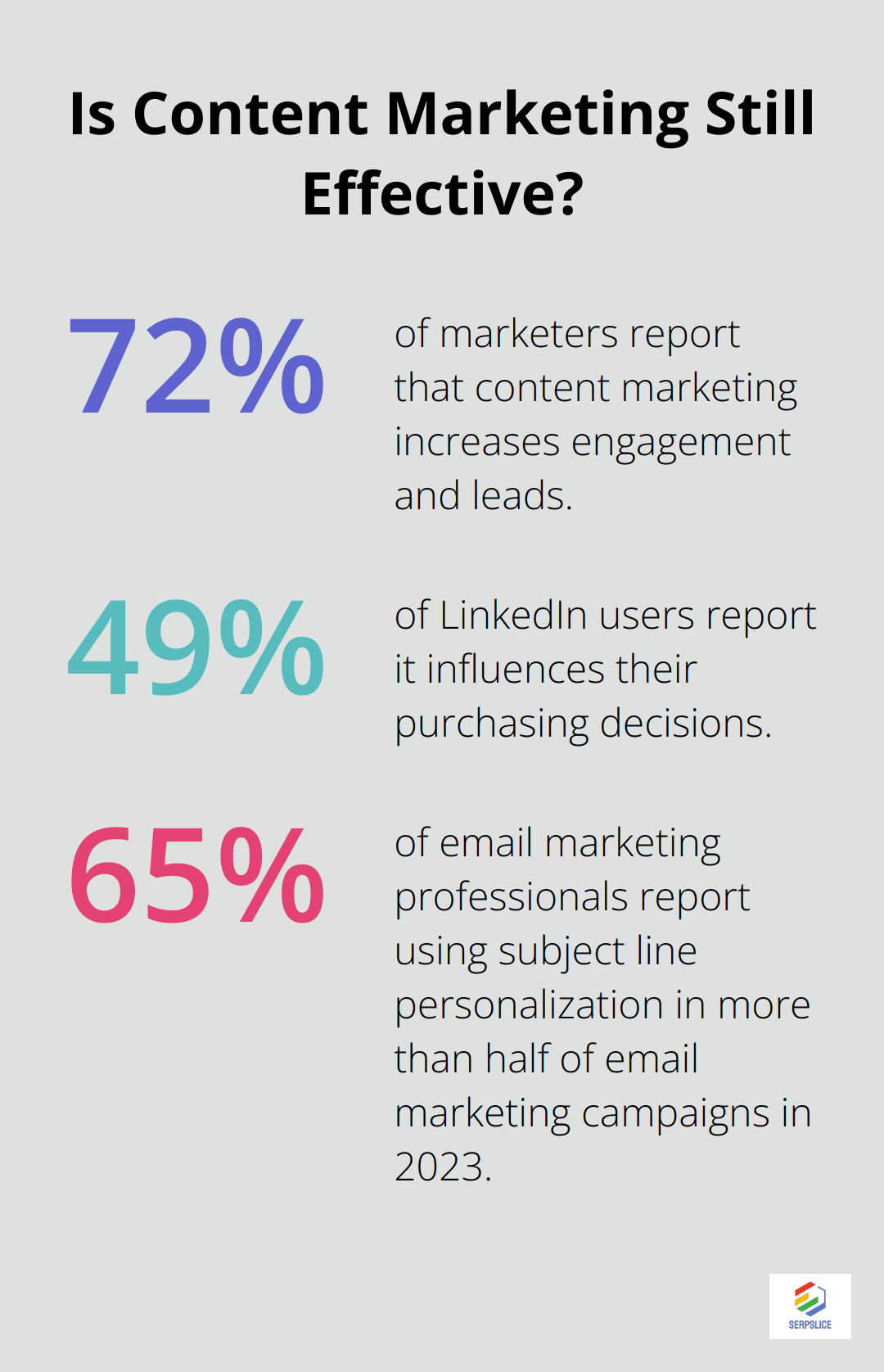
Choose digital channels that align with your target audience's preferences and behaviors. If you're targeting professionals, LinkedIn might be more effective than TikTok. LinkedIn has over 900 million members, with 49% of users reporting it influences their purchasing decisions (according to Hootsuite).
Focus on mastering a few key channels where your audience is most active. This approach allows for deeper engagement and more efficient resource allocation.
Content forms the backbone of any digital strategy. Create content that addresses your audience's pain points and provides genuine value. 72% of marketers report that content marketing increases engagement and leads (Content Marketing Institute).
Diversify your content formats. While blog posts remain popular, video content dominates. YouTube reports that users watch over a billion hours of video daily on their platform. Try to incorporate video tutorials, webinars, or behind-the-scenes footage into your content mix.
Marketing automation tools can significantly enhance efficiency and personalization. One of the significant benefits of using marketing automation software is the time you and your marketing team save on tasks.
Start with email automation. Set up welcome sequences for new subscribers and nurture campaigns for leads. Personalize these emails based on user behavior and preferences. 65% of email marketing professionals report using subject line personalization in more than half of email marketing campaigns in 2023, and only 9% report never using it.
Robust analytics measure the effectiveness of your digital strategy. Google Analytics remains a powerful free tool, but consider investing in more advanced analytics platforms as your strategy matures.
Set up conversion tracking for all key actions on your website, from newsletter sign-ups to product purchases. Conversion metrics are measures that indicate how your business is performing. These can include totals, percentages, proportions, etc., and they come from key actions on your website.
Budget allocation in digital marketing requires careful consideration. The U.S. Small Business Administration recommends spending 7-8% of your gross revenue on marketing for businesses under $5 million in sales.
Prioritize channels that deliver the best ROI. For instance, if SEO drives significant qualified traffic to your site, allocate more resources to content creation and technical optimization.
Digital marketing is not just about monetary investment. Time is equally valuable. Allocate sufficient time for strategy planning, content creation, and performance analysis.
Defining a digital strategy is essential for businesses to thrive in today's competitive landscape. A robust digital presence drives growth and success by leveraging the right channels, content, and tools to reach target audiences effectively. At SERPslice, we've witnessed how well-executed digital strategies transform businesses across industries.
The digital world constantly evolves, requiring regular evaluation and adaptation to stay ahead. Monitoring KPIs closely, analyzing data, and pivoting when necessary are key components of a successful strategy. Embracing digital transformation fundamentally changes how businesses operate and deliver value to customers.
Success in the digital realm requires patience, persistence, and a willingness to learn and adapt. Take the first step today: assess your digital presence, set clear goals, and implement tactics that will drive your business forward. The digital future is here, and it's time to claim your place in it.
Protected by Security by CleanTalk